
Botox for Excessive Sweating
Excessive sweating (hyperhidrosis) frequently affects the sweat glands in the underarms, hands, and feet. Those affected often feel restricted in their daily lives, as the sweating occurs independently of temperature or physical exertion.
The treatment for hyperhidrosis involves the targeted injection of botulinum toxin into the affected sweat glands, allowing you to feel confident and “dry” once again.
Patients report a newfound sense of ease in their daily routines, enhanced well-being, and a noticeable boost in self-confidence—both in their private and professional lives.
Book an Appointment Now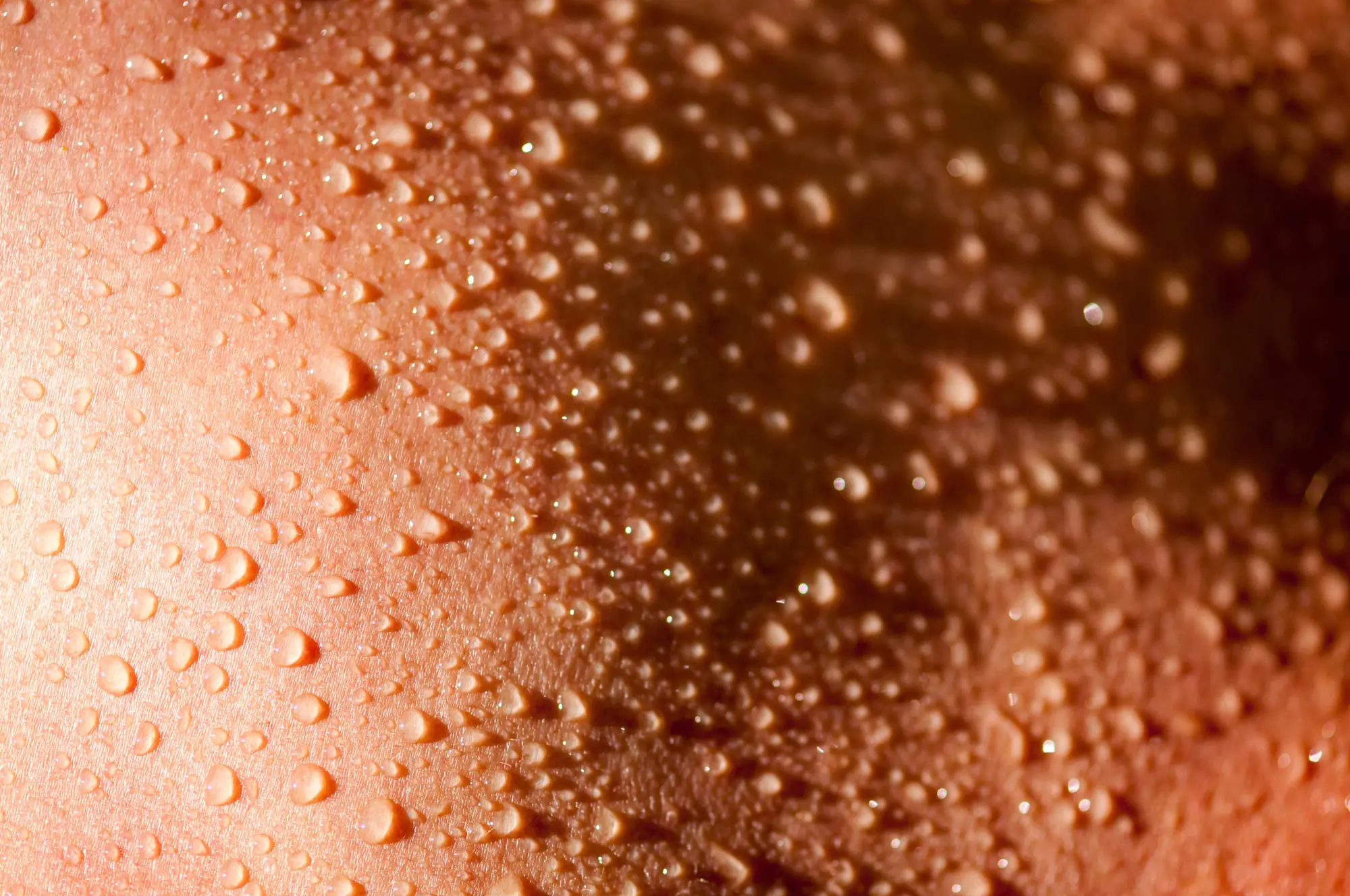


Frequently Asked Questions About Our Treatment for Excessive Sweating
Can I resume my normal activities after the hyperhidrosis treatment?
Following the Botox treatment, you can immediately return to your daily routine with no downtime. If necessary, the treated areas can be cooled at home. We recommend avoiding saunas or strenuous athletic activities for up to 2 days after the procedure. It is also advisable to refrain from alcohol and nicotine during this brief recovery period.
How often can I repeat the Botox treatment?
The effects of botulinum toxin are temporary as the active ingredient is gradually metabolized by the body. With repeated treatments, the sweat glands’ activity remains suppressed longer, often allowing for extended intervals between injections. Botox treatments can be repeated as often as desired to maintain results.
Are there any side effects associated with hyperhidrosis treatment?
Side effects are exceptionally rare. You may experience temporary minor bruising or slight redness at the injection sites. In rare instances, a mild headache may occur within 24 hours of the injection.
When should Botox treatment be avoided?
Contraindications:
Treatment with botulinum toxin-A (Botox) should not be performed if:
Treatment with botulinum toxin-A (Botox) should not be performed if:
- There is a known hypersensitivity to botulinum toxin or any of its components.
- A generalized muscle activity disorder is present (e.g., myasthenia gravis).
- Acute infections or inflammations exist at the planned injection site.
- You are currently pregnant or breastfeeding.
Whether the treatment is appropriate and safe for you will be discussed during a comprehensive personal consultation.