Outpatient Surgery
Your Specialized Dermatology Practice in Berlin-Zehlendorf
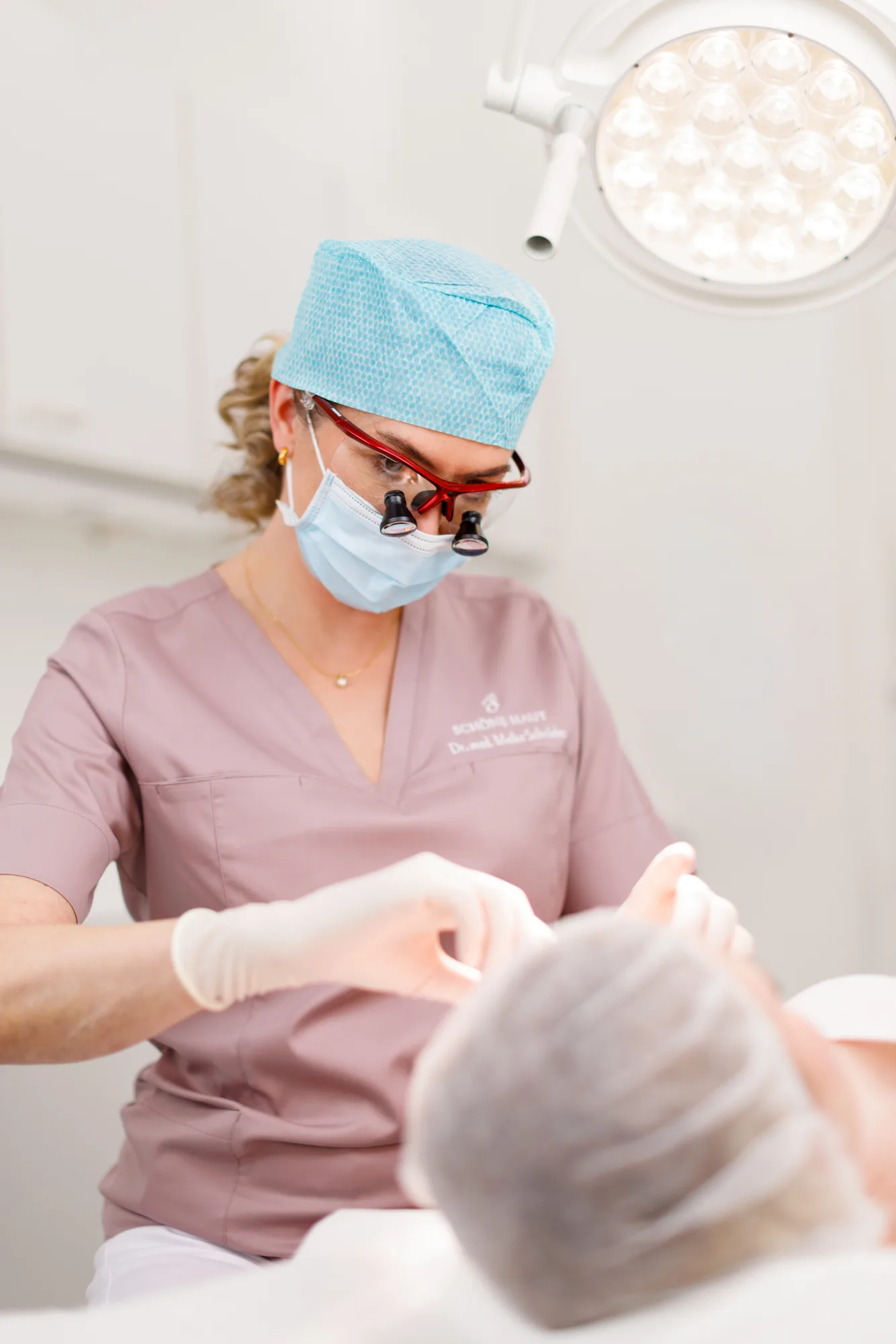
Dermatologic surgery is a core specialty of our practice. With extensive experience, sensitivity, and state-of-the-art technology, we remove bothersome as well as malignant skin changes. In doing so, we always place great importance on achieving functionally and aesthetically optimal results. In many cases, microscopically controlled surgery is utilized.
Where and How Is the Outpatient Surgery Performed?
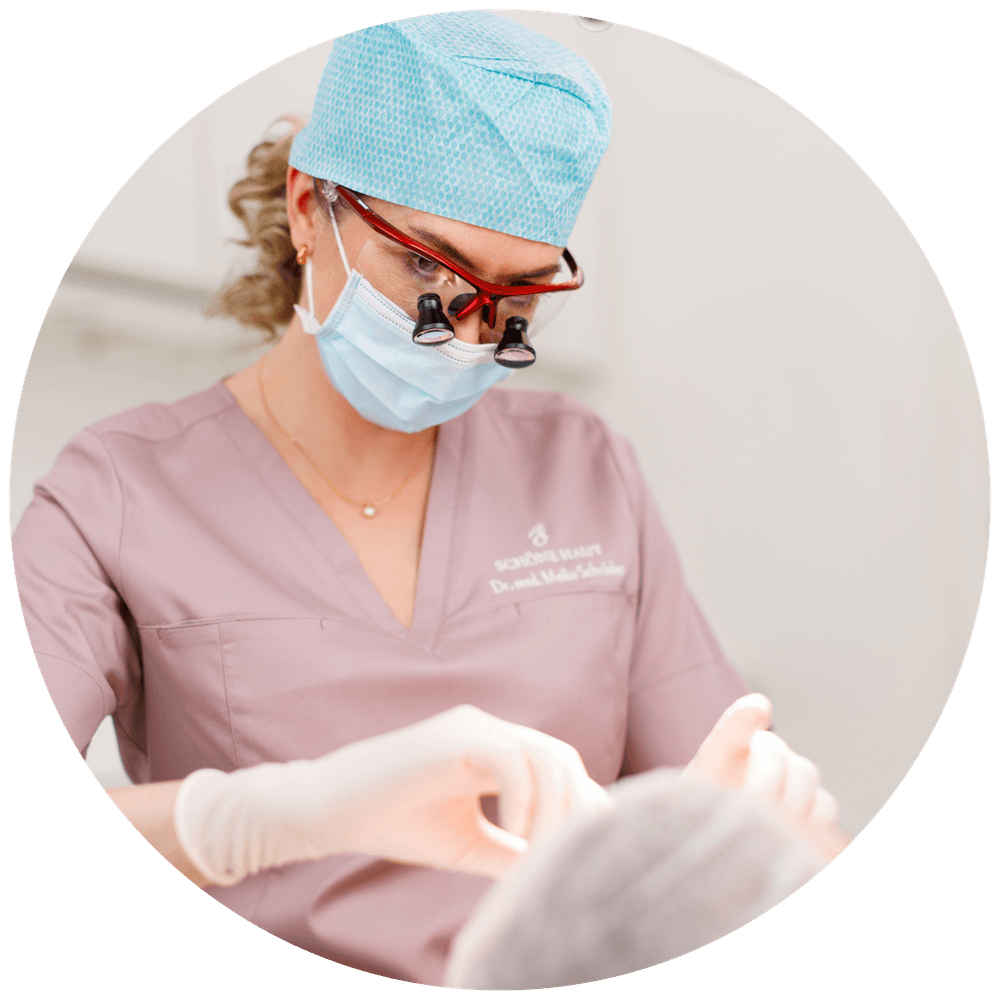
Surgical procedures in our practice are performed on an outpatient basis under local anesthesia. We utilize proven surgical and laser techniques that allow for a particularly gentle approach.
Excised tissue is typically sent for histological examination to reliably rule out malignancy. If a malignant skin change is suspected, “margin controls” are performed. This ensures that the affected tissue has been completely removed. This specialized procedure is known as micrographically controlled surgery.
Excised tissue is typically sent for histological examination to reliably rule out malignancy. If a malignant skin change is suspected, “margin controls” are performed. This ensures that the affected tissue has been completely removed. This specialized procedure is known as micrographically controlled surgery.
Common Outpatient Procedures in Our Berlin Practice
- Removal of skin cancer and precancerous lesions (Basal Cell Carcinoma, Squamous Cell Carcinoma, Melanoma)
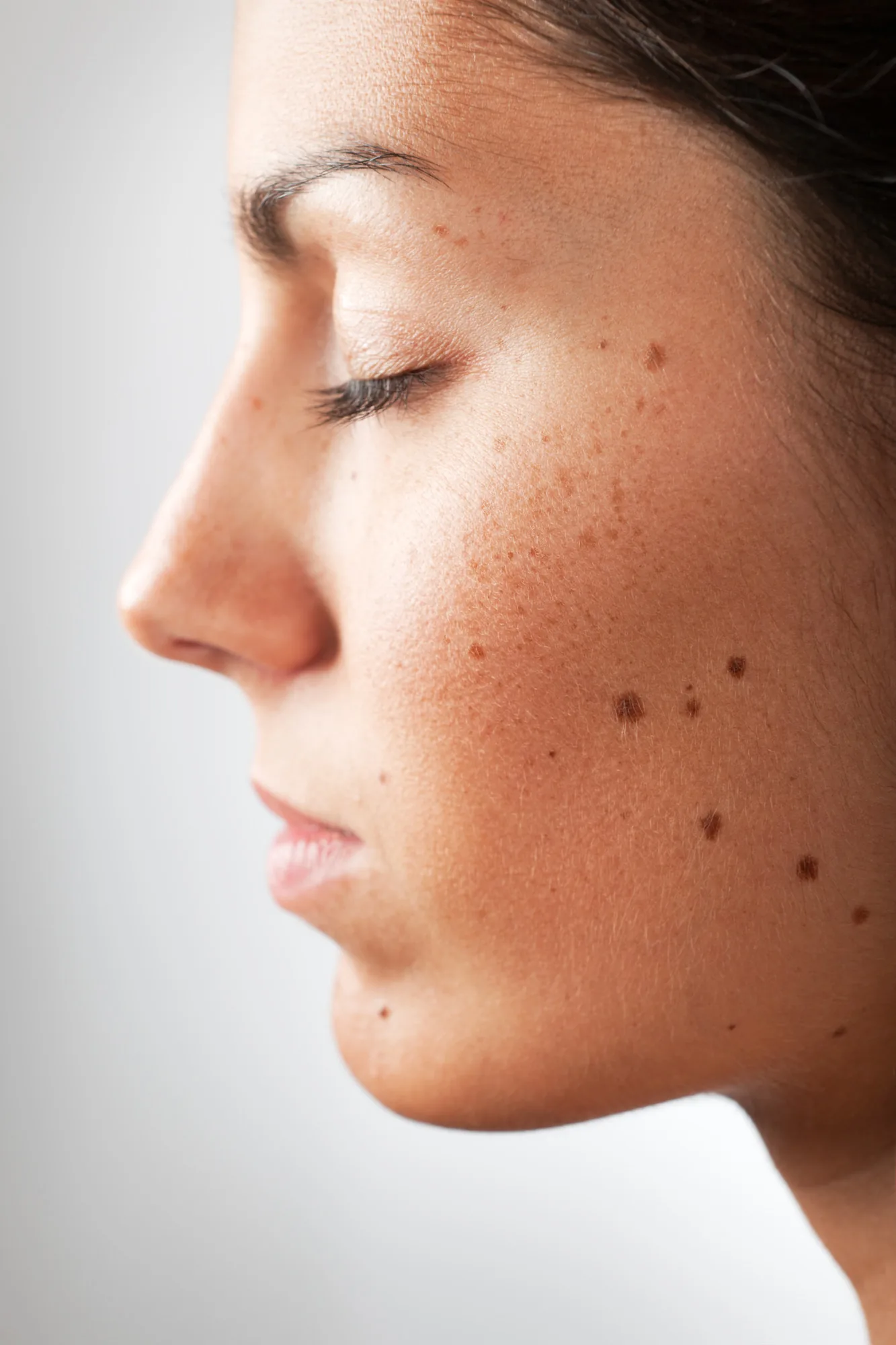
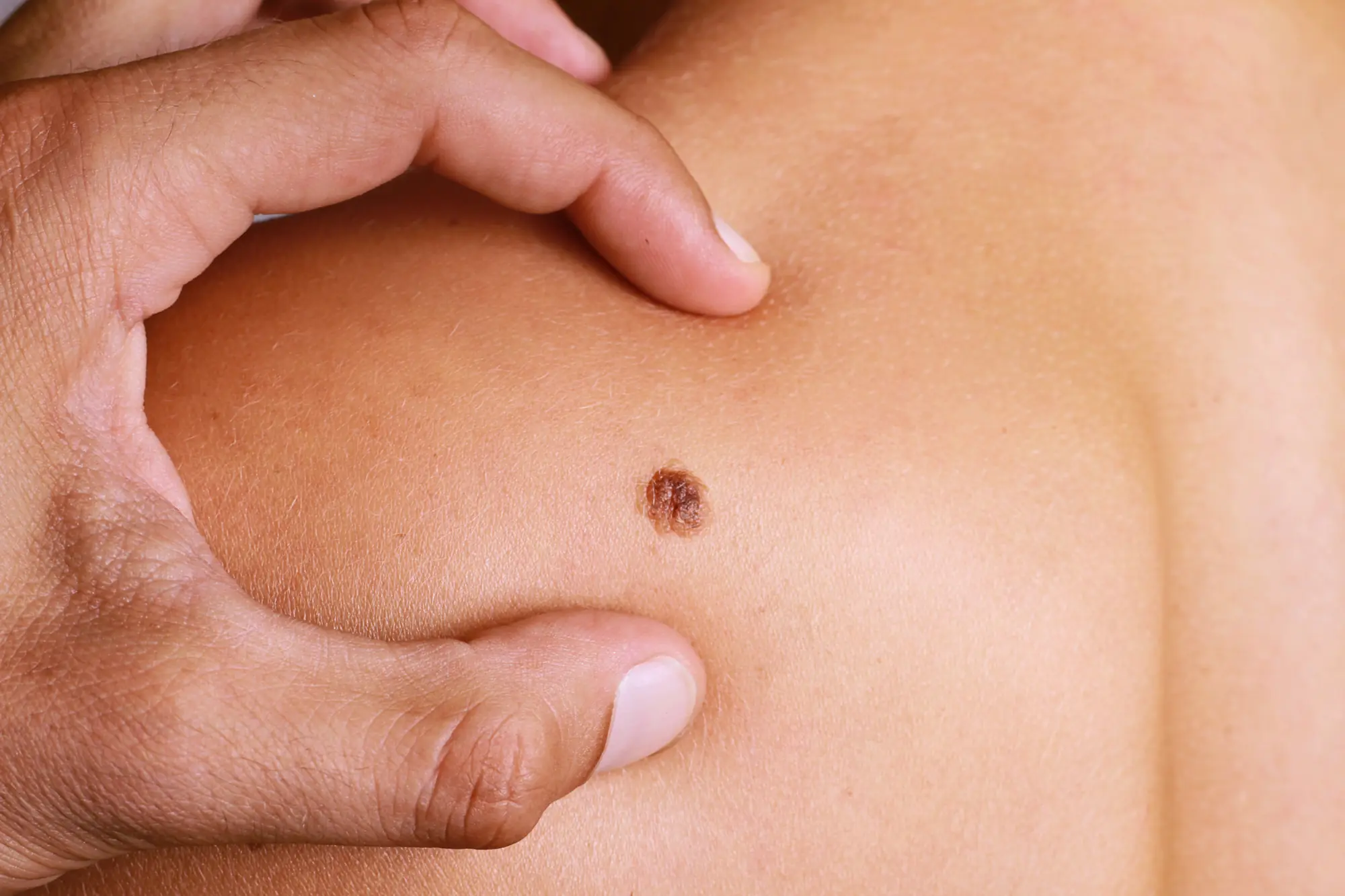
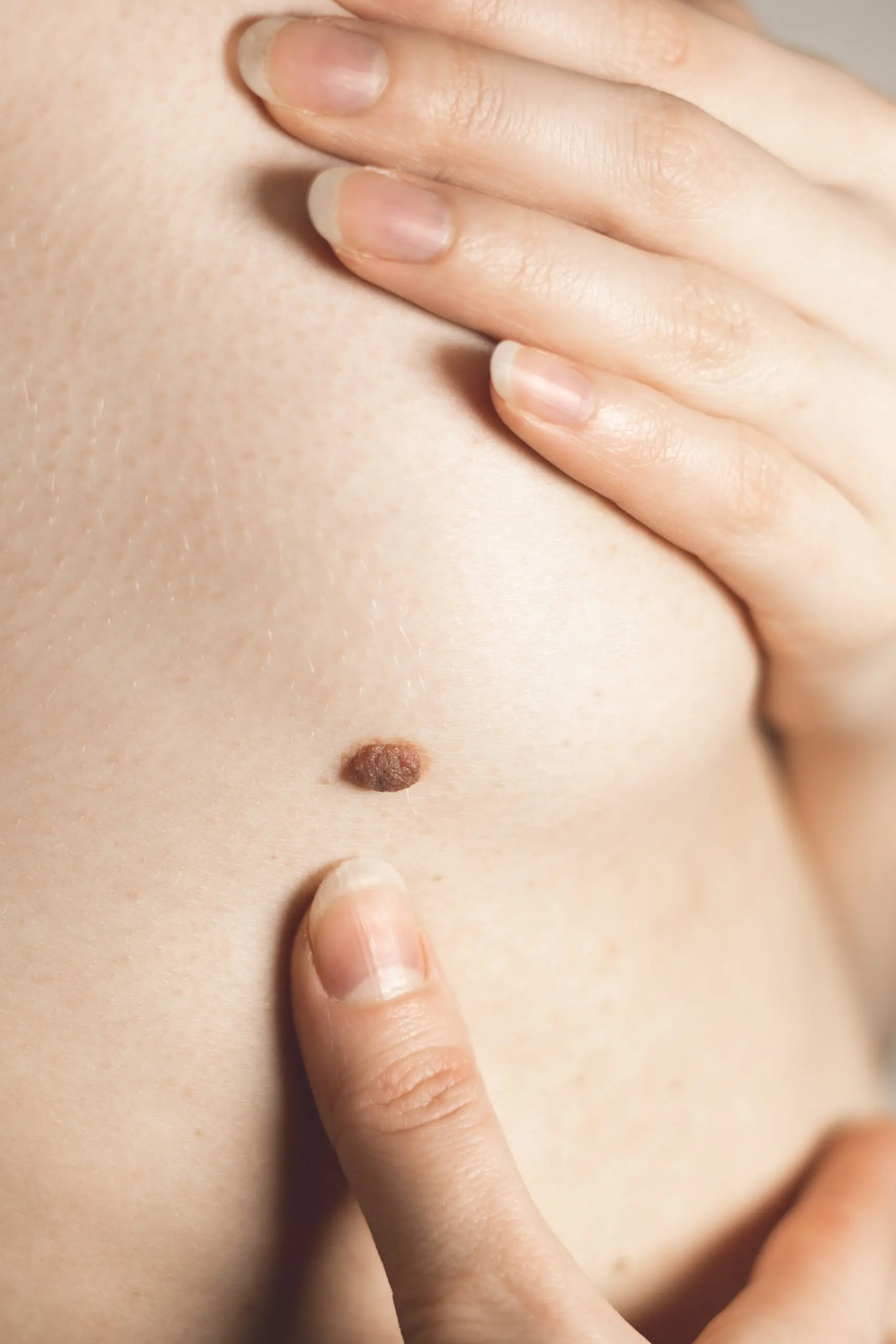
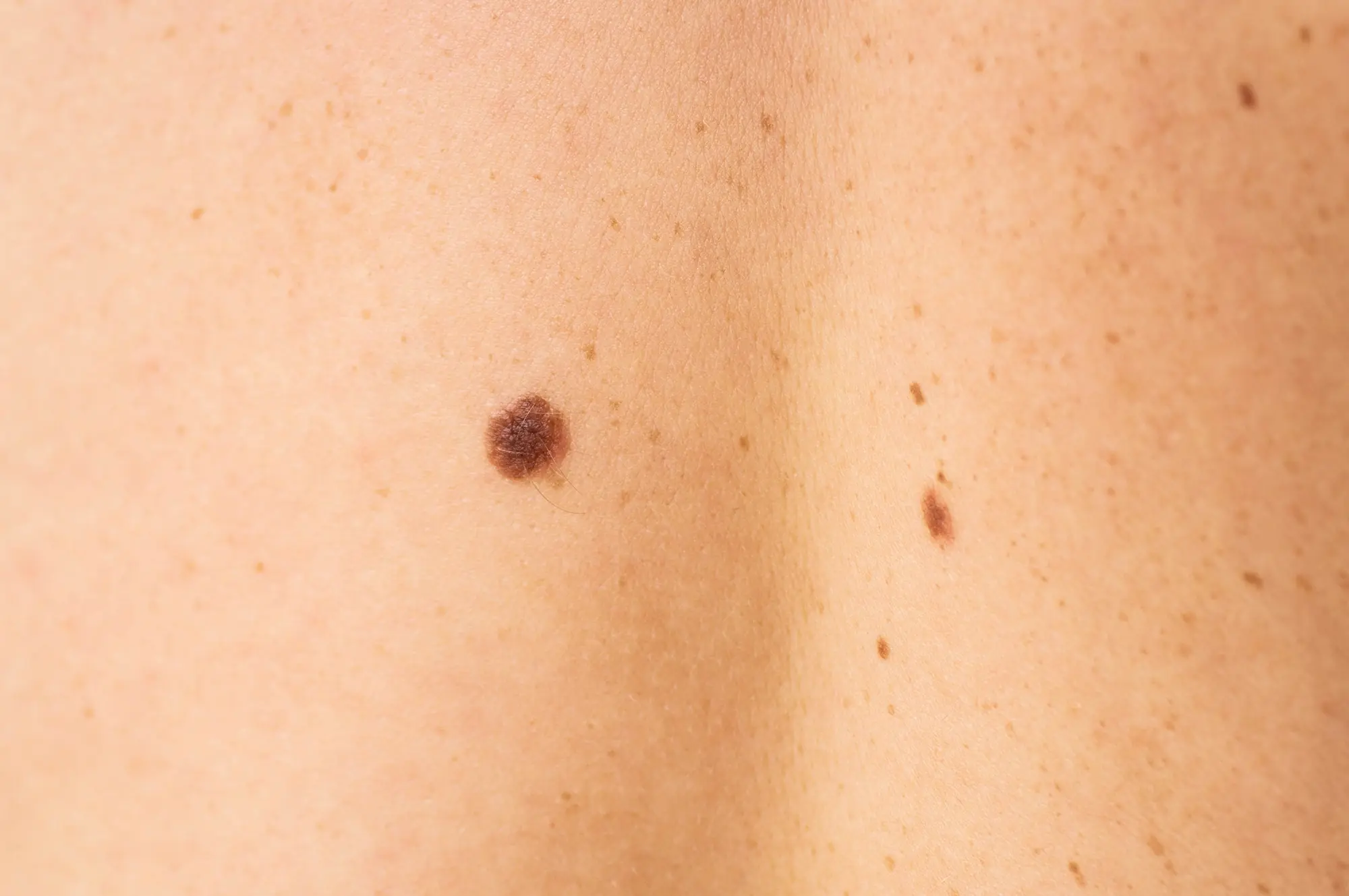
- Removal of benign and malignant skin changes such as moles, seborrheic keratoses (age warts), lipomas (fatty tumors), and atheromas (sebaceous cysts)
- Surgical upper eyelid lift (Blepharoplasty)
- Removal of pigmentation spots (e.g., liver and age spots)
- Earlobe reconstruction
- Scar revision
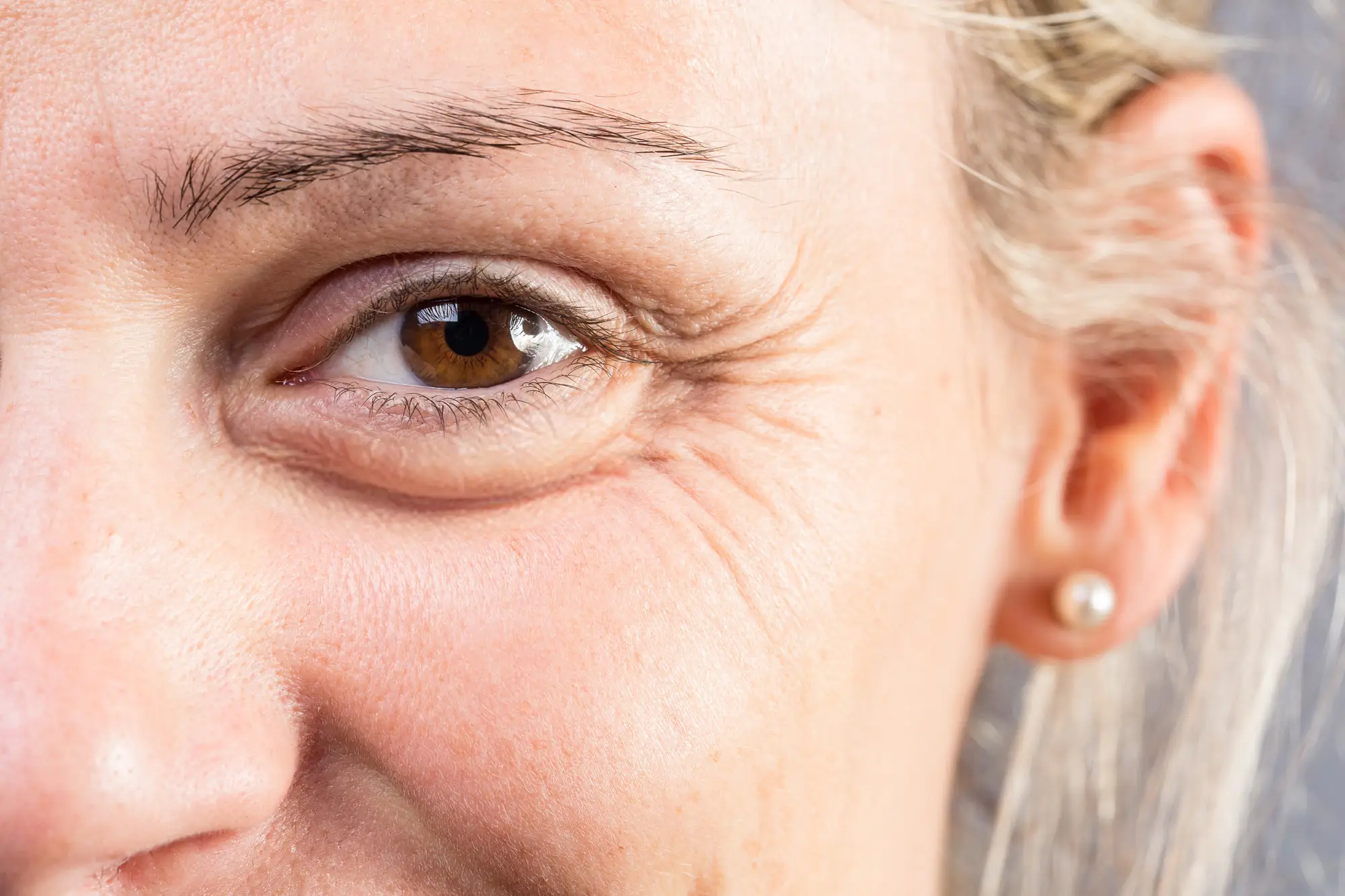
- Removal of xanthelasma (yellowish fatty deposits around the eyes)
What if I feel anxious about the procedure?
Detailed patient consultation and a compassionate approach—especially for anxious patients—are an integral part of the process. Upon request, self-dissolving sutures can be used, eliminating the need for later suture removal. If necessary, calming medication can also be administered prior to the procedure.
Please feel free to discuss this openly with us during your consultation.
Please feel free to discuss this openly with us during your consultation.
How do I prepare for outpatient surgery?
During a consultation appointment, the indication for surgery is established and a date for the procedure is set. You will receive a detailed briefing and a consent form, which you should read carefully, sign, and bring with you to your appointment.
It is essential that you inform us if you are taking any blood-thinning medications. On the day of the surgery, you may eat breakfast as usual and should arrive at the practice well-rested.
It is essential that you inform us if you are taking any blood-thinning medications. On the day of the surgery, you may eat breakfast as usual and should arrive at the practice well-rested.
Frequently Asked Questions About Outpatient Surgery in Berlin
How is the procedure performed?
The procedure is performed under local anesthesia. The area to be treated is numbed via an injection of a local anesthetic using a very fine needle. The numbness wears off after a few hours. Postoperative pain is usually minimal or non-existent. Only rarely is a mild pain reliever required (no Aspirin; Paracetamol or Ibuprofen may be used if necessary).
What should I keep in mind after the procedure?
As a rule, you can go home immediately afterward or—depending on the procedure—return to work. However, the operated skin area should be protected from mechanical stress and moisture to ensure optimal wound healing. Strenuous physical activities, saunas, and swimming pools should be avoided initially.
If sedatives were administered, an accompanying person is required to take you home.
If sedatives were administered, an accompanying person is required to take you home.
When do the sutures need to be removed?
Wound closure is performed using modern plastic-surgery suturing techniques. We frequently use resorbable (self-dissolving) suture material that remains in the skin and dissolves within weeks to months. During this time, a slight firmness may be felt under the scar.
Additionally, the skin surface is usually secured with steri-strips or a bandage. In certain cases, visible skin sutures are necessary, which—depending on the location—are removed between the 6th and 14th postoperative day.
Additionally, the skin surface is usually secured with steri-strips or a bandage. In certain cases, visible skin sutures are necessary, which—depending on the location—are removed between the 6th and 14th postoperative day.