

Pico Laser:
TATTOO REMOVAL AND TREATMENT of PIGMENTATION DISORDERS with the PicoSure® Picosecond Laser
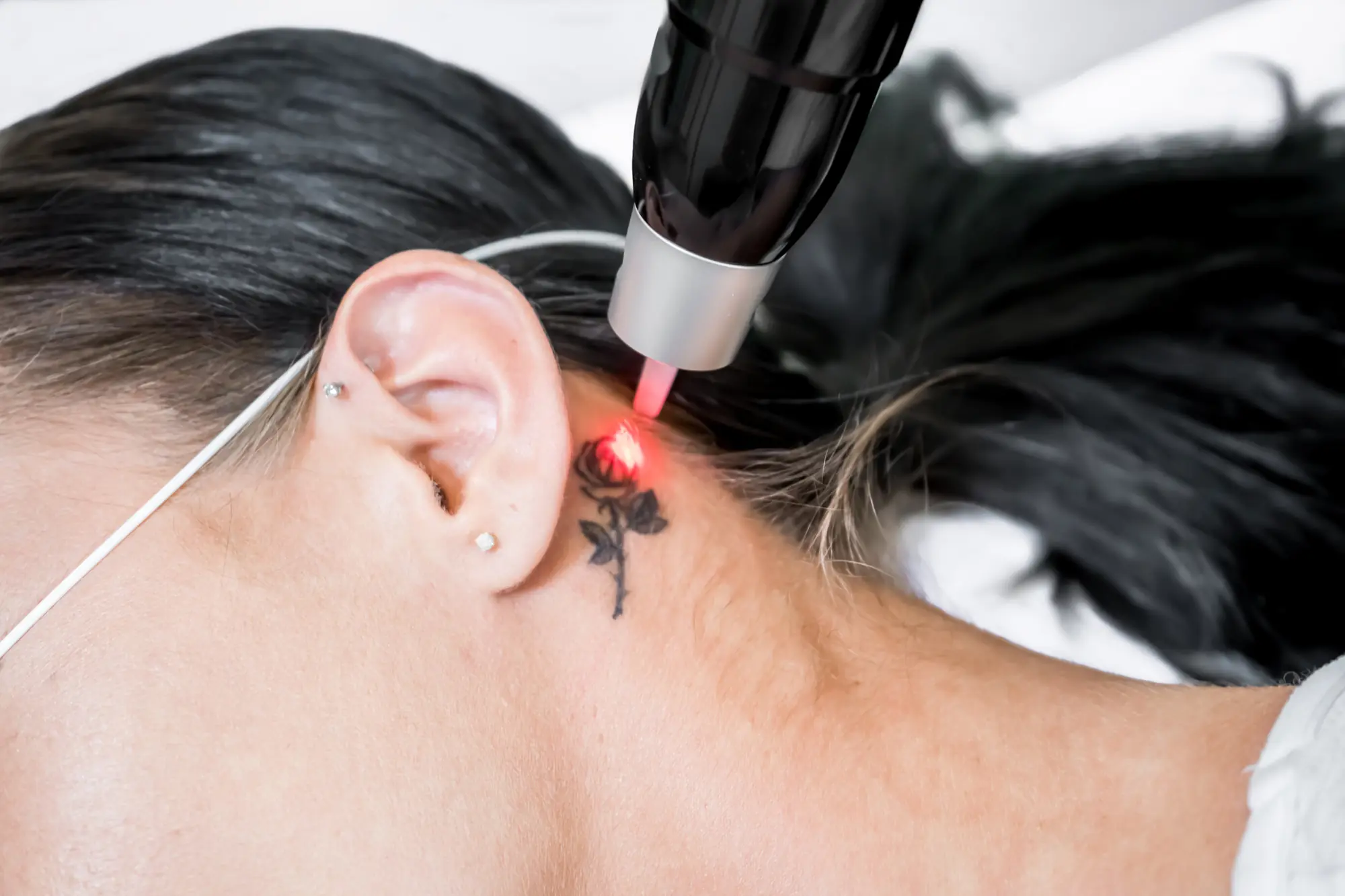
Treatment with the PicoSure laser is a state-of-the-art, non-invasive laser procedure for the effective removal of tattoos and the targeted treatment of pigmentation disorders. By utilizing extremely short laser pulses in the picosecond range (one trillionth of a second), ink and pigment particles can be shattered with exceptional precision while sparing the surrounding tissue.
Book an Appointment NowAt a Glance
| Treatment Duration: | Approx. 15 min (per session) |
|---|---|
| Discomfort: | Mild to moderate |
| Social Downtime: | Immediate to 1 week (varies individually) |
| Restrictions: | No sun exposure for at least 4 weeks; no sauna for 1 week |
| Onset of Results: | Immediate to several weeks post-treatment |
| Duration of Effects: | 3–6 months |
| Cost: | Depends on the size of the treated area |
| Recommendation: | Multiple sessions usually required |









How the Laser Works
Unlike conventional laser systems, the PicoSure laser primarily operates through a photoacoustic effect. Pigment particles are shattered into ultra-fine fragments, which can then be efficiently metabolized by the body’s lymphatic system. In many cases, this results in fewer required sessions while simultaneously reducing the risk of thermal skin damage.
Pico Laser for Tattoo Removal
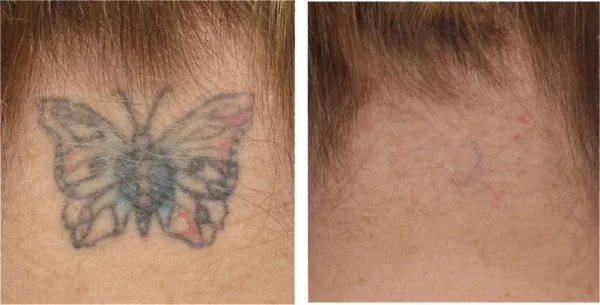
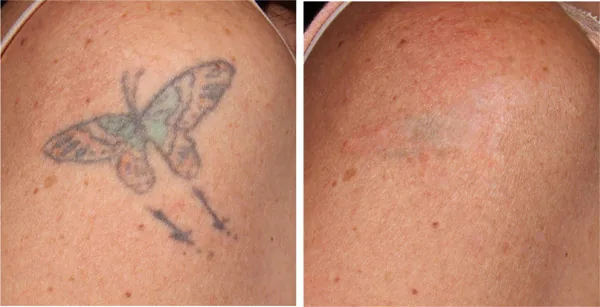
The picosecond laser is suitable for treating a wide variety of tattoo colors, including black, blue, green, and—depending on the system—even difficult-to-treat colors such as red or yellow. Both professional and amateur tattoos can be effectively addressed. The number of required sessions depends on the color, depth, size, and age of the tattoo, as well as individual skin factors.

Pico Laser for the Treatment of Pigmentation Disorders
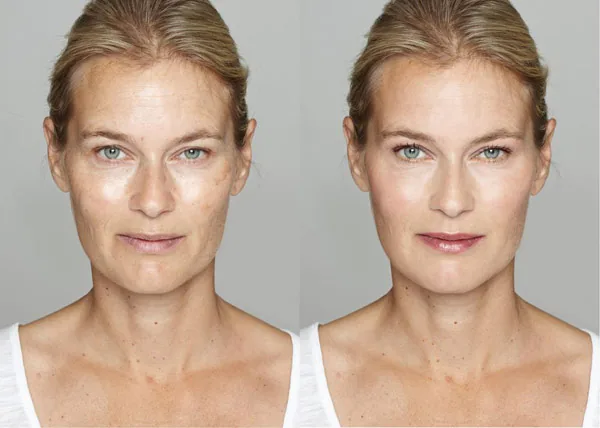
The picosecond laser can be specifically applied to epidermal and dermal pigment changes, such as lentigines, sun-induced age spots, or certain forms of melasma. The goal is a more even skin tone and a clearer complexion without damaging the surrounding skin.
Pico Laser: Treatment Process and Aftercare
Prior to every treatment, a thorough skin analysis and an individual risk and indication assessment are performed. The laser treatment itself takes only a few minutes, depending on the area. During the procedure, a brief, stinging sensation of warmth may occur. Temporary redness, swelling, or minor crusting may follow the treatment, typically healing within a few days.
Consistent sun protection before and after the treatment is essential to achieve optimal results and avoid side effects. Treatment intervals are usually spaced several weeks apart to allow the skin sufficient time for regeneration.
Consistent sun protection before and after the treatment is essential to achieve optimal results and avoid side effects. Treatment intervals are usually spaced several weeks apart to allow the skin sufficient time for regeneration.
The objective of picosecond laser treatment is the effective, safe, and gentle reduction of tattoos and pigmentation changes while preserving the natural skin structure.
Looking for more glow? Try our PicoGlow treatment with PicoSure®, the world’s first picosecond laser for aesthetic treatments and the removal of tattoos of all colors.

Frequently Asked Questions
When is the PicoSure® laser used?
How does the PicoSure® laser work?
PicoSure delivers 755nm energy in picoseconds so rapidly that the skin is protected from thermal damage. Consequently, patients can expect less discomfort and minimal downtime compared to traditional nanosecond laser technology. Conventional lasers create a photothermal effect (destroying pigment through heat), which can also heat and damage the surrounding healthy tissue.
In contrast, the ultra-short pulse widths of the PicoSure® trigger an intense photomechanical effect. This is achieved through the patented PressureWave™ technology: via the shortest flashes of light in the picosecond range, the pigment in the depth is heated only very briefly and the energy is released immediately. This shatters the pigment into tiny particles that the body can break down more easily.

Advantages of the Pico Laser
- Gentler procedure for the skin
- Less painful
- Shorter recovery times
- More effective treatment (fewer sessions required)
- The only laser specifically for the treatment of melasma
- Removal of colored tattoos (including blue, green, and black)
- Tattoos fade faster than with conventional lasers
Which areas can be treated with the PicoSure® laser?
Almost all skin areas can be treated, including the face, décolleté, hands, forearms, legs, abdomen, and back.
What is the treatment process?
Before the start of the treatment, a medical consultation and briefing take place to determine the appropriate plan and address any questions. A test patch may be performed on a small area of skin to check the individual reaction of the skin or the pigment.
After disinfecting the area, the laser treatment is performed by the attending physician. The duration per session depends on the size of the area. Typically, the interval between sessions is several weeks. Shortening these intervals does not usually lead to faster pigment clearance; experience shows that significant improvements continue to occur long after a session has ended.
How many sessions are required?
Most pigmentation disorders (melasma, age spots, freckles) appear significantly lighter after 2 to 3 treatments, though more or fewer sessions may be required depending on individual response.
For tattoos, several sessions are usually necessary, depending on the ink color, the size of the tattoo, and the body region.