


Skin Cancer:
What You Should Know
Skin cancer is currently one of the most common types of cancer. When detected early, treatment options are generally minimally invasive, and the chances of a full recovery are excellent.
Different forms of skin cancer vary in their behavior, risk profiles, and treatment methods.
Types of Skin Cancer
The most common forms of skin cancer include:
- Basal Cell Carcinoma (BCC) – The most common form; typically grows slowly and usually remains localized without forming secondary tumors (metastases).
- Squamous Cell Carcinoma (SCC) – Can grow more rapidly, invade surrounding tissue, and, in rare cases, form secondary tumors (metastases).
- Melanoma – Often referred to as “black skin cancer”; significantly rarer but potentially more dangerous as it can spread to other organs at an early stage.
Causes and Risk Factors
The primary cause of skin cancer is excessive exposure to UV radiation, such as from sunlight or the use of tanning beds.
Additional risk factors include:
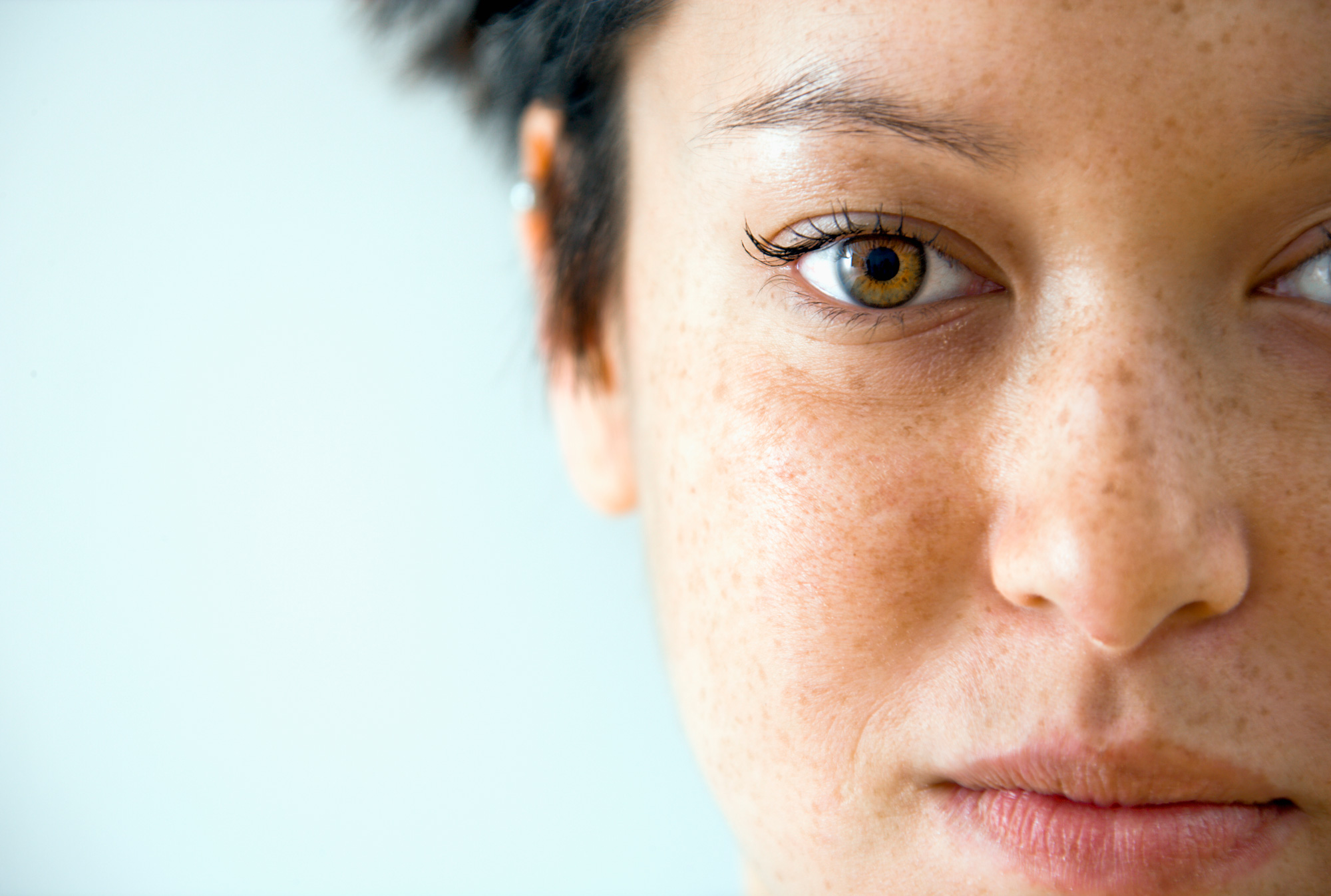
- Fair skin that burns easily
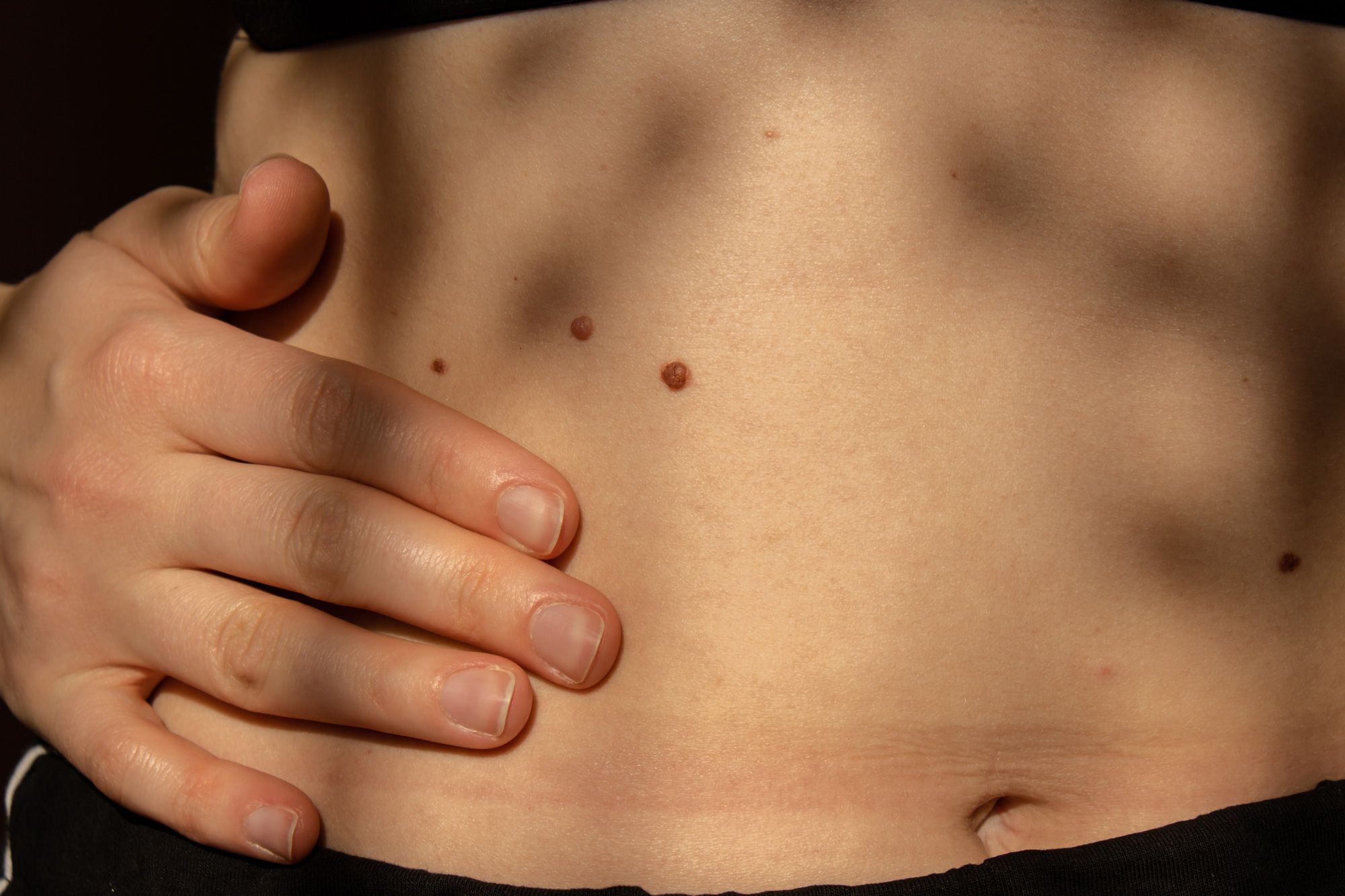
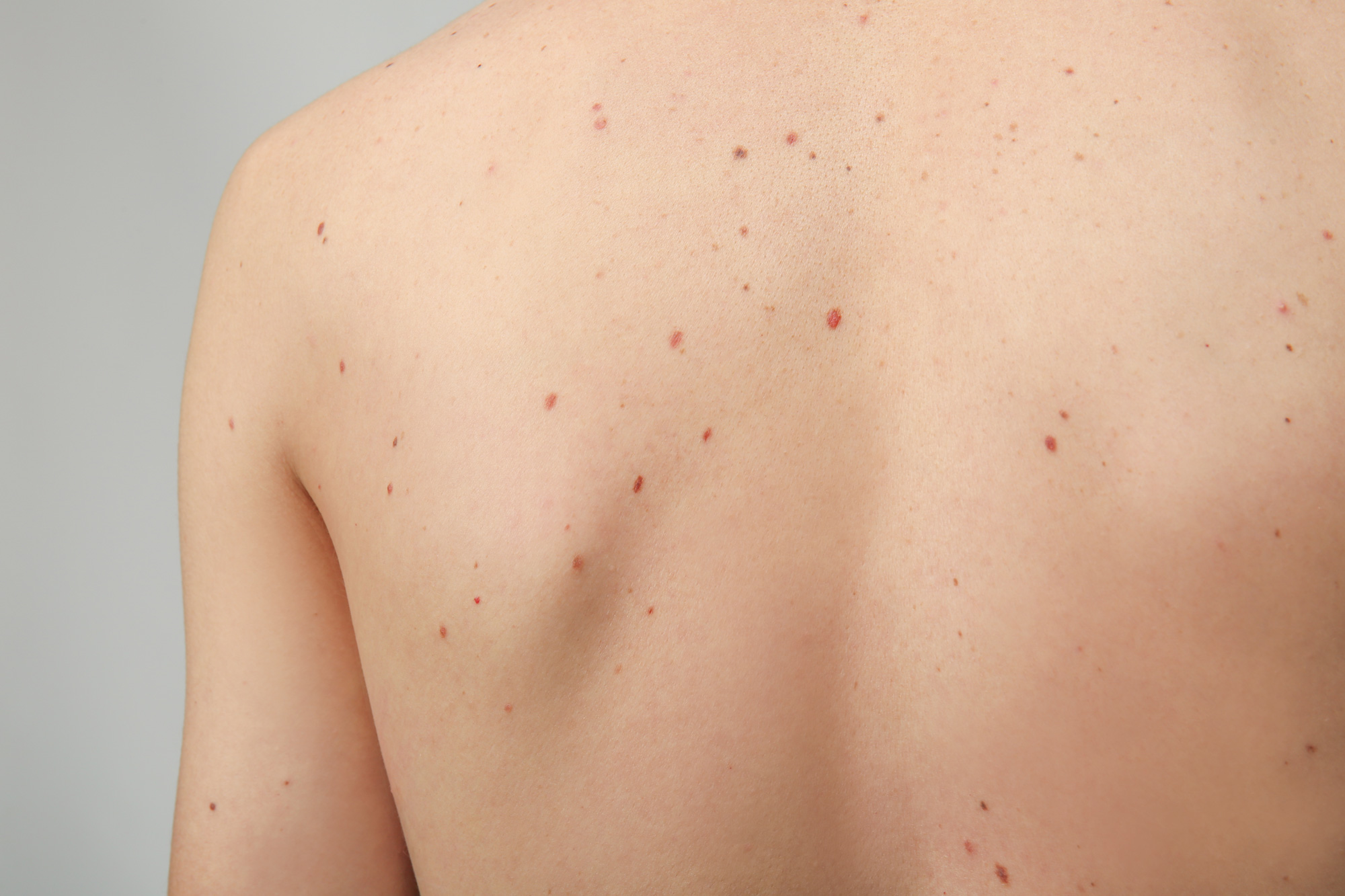
- A high number of or irregular moles
- Severe or repeated sunburns, especially during childhood
- A family history of skin cancer
- Advanced age
Detection and Prevention
Early detection is vital. Any skin changes should be taken seriously—for example, new or enlarging spots, nodules, or non-healing sores can be signs of skin cancer. Regular specialist skin cancer screenings are a crucial part of preventive healthcare.
Treatment Options
Depending on the type and stage of skin cancer, various treatment options are available:
- Microscopically Controlled Surgery (Mohs-type surgery) – A precise, tissue-sparing removal using a scalpel. A core specialty of Dr. med. Meike Schröder’s dermatology practice in Berlin-Zehlendorf is outpatient surgery performed with the highest level of expertise and long-standing university-level medical experience.
- Photodynamic Therapy (PDT) – A gentle form of therapy, primarily used for precancerous lesions of non-melanoma skin cancer and superficial tumors.
- Laser Surgical Removal – Using the $CO_2$ laser for precise excision.
- Additional Procedures – Depending on the individual case, further methods may be recommended.


Prevention and Early Detection – How It’s Done
Mindful behavior regarding UV radiation significantly reduces your risk.
Now is the time to place your skin health in professional hands:
- Apply sunscreen daily – even on cloudy days
- Wear protective clothing, sun hats, and sunglasses
- Avoid intensive sun exposure and tanning beds
- Schedule regular specialist skin cancer screenings
AI-Supported Skin Analysis with the DermaGraphix® System by Canfield
Increased Reliability in Detecting Skin Cancer
Modern skin cancer screening now benefits from Artificial Intelligence. The DermaGraphix system supports the clinical examination through AI-based analysis of moles and skin changes—serving as a supplementary tool for even greater diagnostic reliability.
How does AI-supported analysis work?
As part of the digital skin cancer screening, suspicious pigmented lesions are captured using high-resolution specialized technology. The integrated AI analyzes these images based on numerous medical criteria, including:
- Structure and symmetry
- Color distribution and transitions
- Borders and margins
- Suspicious patterns compared to established reference data
Technical Assistance is not a Replacement for a Specialist
It is important to note: AI analysis does not replace a specialist’s clinical evaluation. It serves as an additional decision-making aid to objectively evaluate suspicious skin changes and specifically support the physician’s expertise. The final diagnosis and subsequent steps are always determined by the dermatologist.
Advantages of AI-Supported Screening
- Increased diagnostic certainty through objective analysis
- Early detection of even minimal changes
- Comparability over time during follow-up examinations
- Transparent documentation for patients
Especially for patients with numerous moles or unclear findings, AI analysis can help identify changes early and avoid unnecessary procedures.
Who is DermaGraphix particularly beneficial for?
- Patients with numerous pigmented lesions
- Individuals with an increased risk of skin cancer
- Those seeking particularly modern and precise preventive care
- Long-term follow-up monitoring over several years
Our Commitment to Modern Prevention
The combination of specialist expertise, digital imaging, and AI-supported analysis enables contemporary skin cancer screening at the highest medical level. Our goal is to detect skin changes early and reliably—for your safety and health.
Can AI reliably detect skin cancer?
AI can identify suspicious features and provide indications, but it does not replace a histological examination. In the case of suspicious findings, the dermatologist decides on further diagnostic steps, such as a biopsy.
Are the images stored?
Yes. The images serve as medical documentation and allow for comparison during follow-up examinations. Storage is conducted in compliance with data protection laws and exclusively for medical purposes.