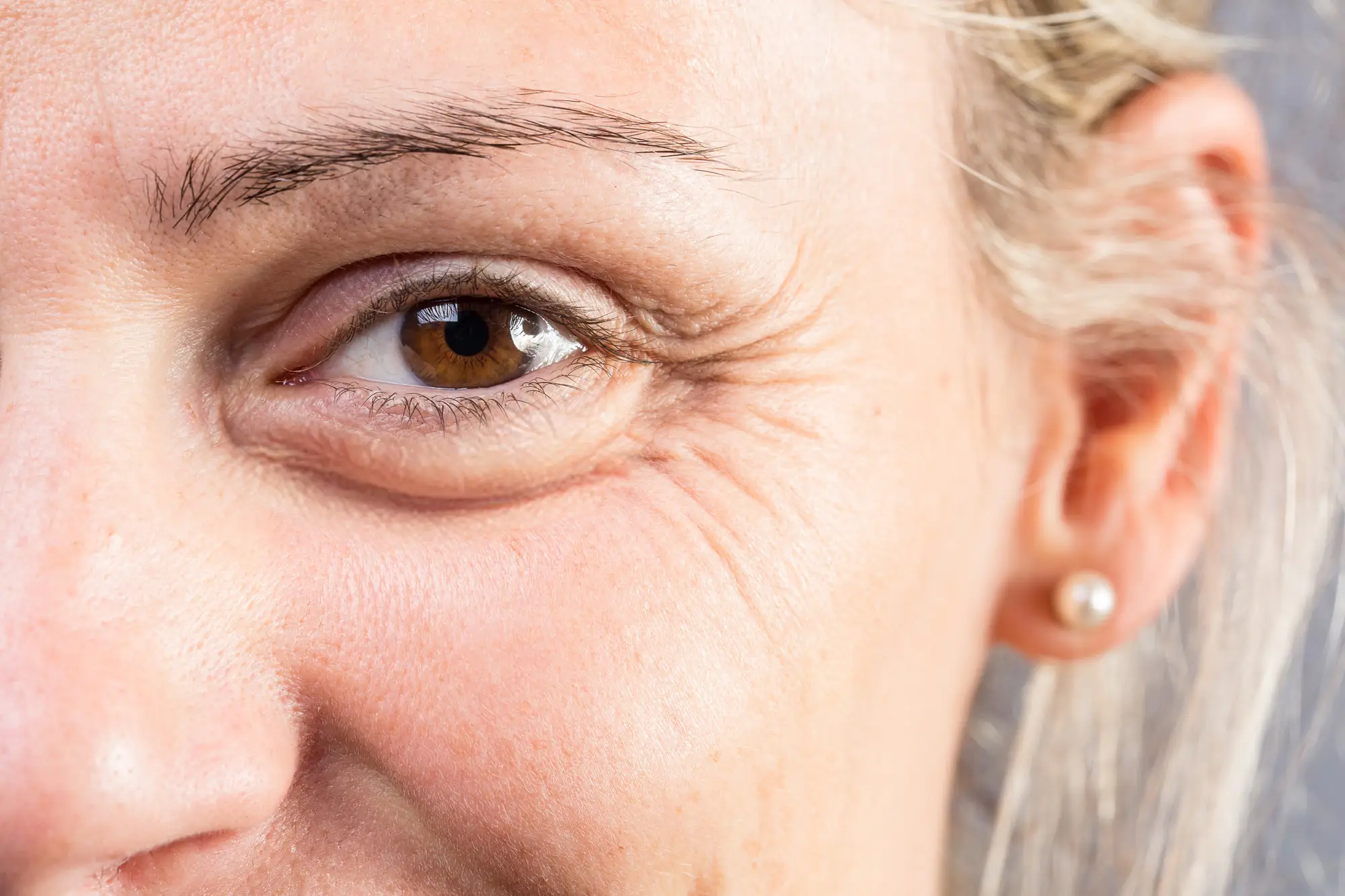

Skin Cancer Screening in Berlin-Zehlendorf
Modern Prevention. Long-standing Experience. Medical Safety.
The skin is our largest organ—and one of our most sensitive. Over the years, it is exposed to UV radiation, environmental factors, and the aging process. Many skin changes develop gradually and often go unnoticed for a long time. Regular specialist skin cancer screening is, therefore, a central component of modern preventive healthcare.
Skin cancer is currently one of the most common types of cancer. If detected early, treatment options are generally minimally invasive, and the chances of a full recovery are excellent. The goal of skin cancer screening is to identify suspicious changes in a timely manner and provide a sound medical assessment—before they become a health risk.
Book an Appointment now
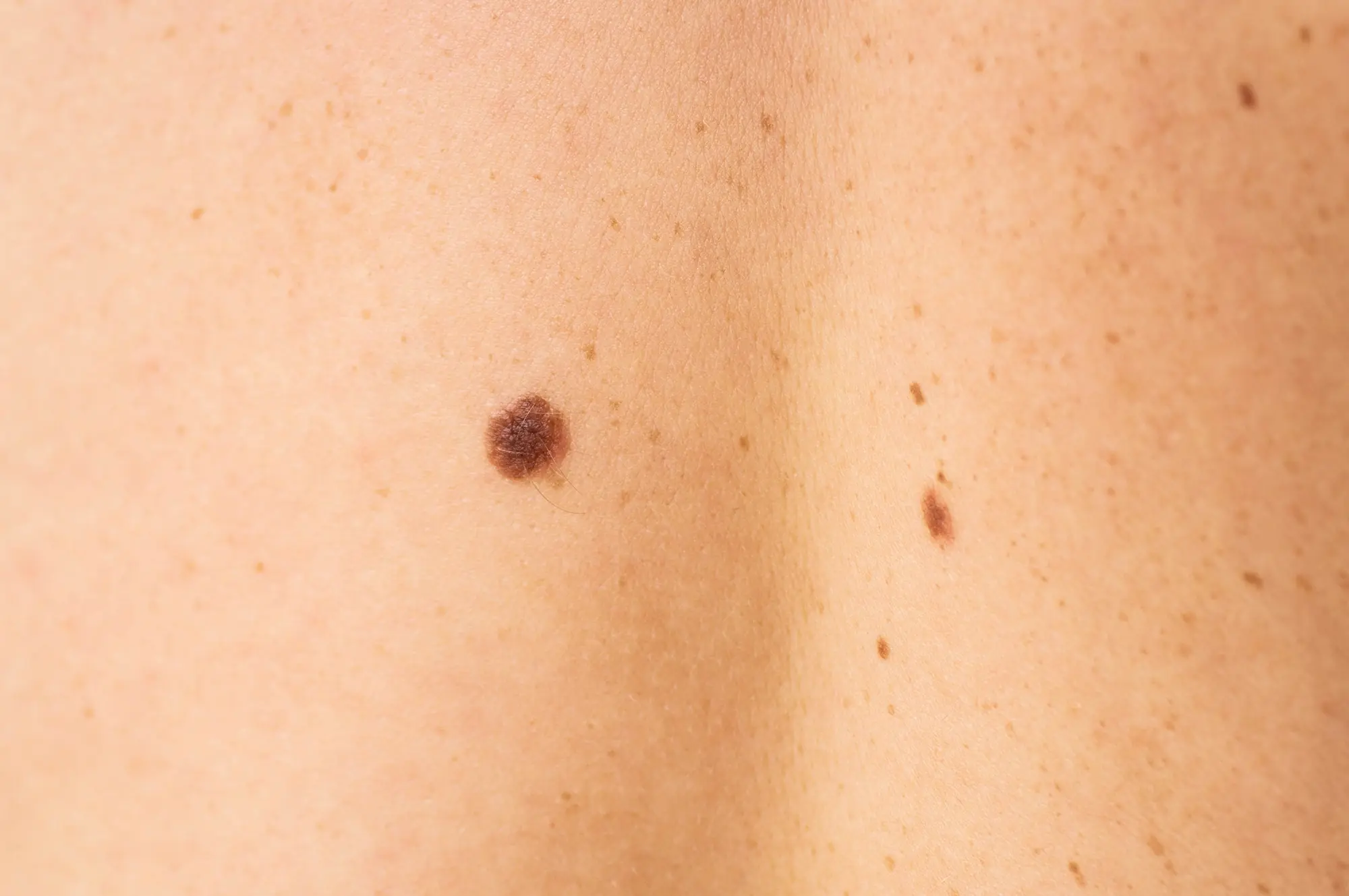
How Skin Cancer Screening Works at Our Berlin Practice
Skin cancer screening is performed in a structured, thorough manner, individually tailored to your personal risk profile.
Full-Body Examination by a Specialist
The core of the screening is a comprehensive examination of the entire skin surface from head to toe. During this process, we evaluate moles, pigmentation changes, and other suspicious skin findings.
For a nuanced assessment, we utilize a dermatoscope. This device allows for a magnified view of deeper skin structures and helps reliably distinguish early signs of non-melanoma (basal/squamous cell) and melanoma skin cancer from harmless skin changes.
Digital Skin Cancer Screening with DermaGraphix® by Canfield
In addition to the traditional examination, we use state-of-the-art digital diagnostics. With DermaGraphix® by Canfield, we have a high-resolution system at our disposal for the digital documentation and analysis of pigmented lesions.
Suspicious skin changes are precisely captured and can be accurately compared during follow-up examinations. AI-supported analysis methods assist the physician’s assessment by evaluating objective features such as structure, symmetry, color distribution, and borders.
Artificial intelligence serves as a supplementary tool—the medical evaluation and final decision-making are always performed by the specialist.

Long-standing Academic Medical Expertise
Skin cancer screening in our practice is based on the many years of clinical and university-level medical experience of Dr. med. Meike Schröder and her colleagues. Continuous advanced training and adherence to current scientific standards ensure screening at a high medical level.
This combination of experience, modern technology, and individualized care creates a high degree of diagnostic certainty.
This combination of experience, modern technology, and individualized care creates a high degree of diagnostic certainty.


Who Should Prioritize Skin Cancer Screening?
- Those with numerous or irregular moles
- Individuals with a fair skin type or increased UV exposure
- Those with a family history of skin cancer
- Patients requiring long-term follow-up monitoring
- Anyone desiring particularly thorough preventive care
FWho Should Prioritize Skin Cancer Screening?
- Those with numerous or irregular moles
- Individuals with a fair skin type or increased UV exposure
- Those with a family history of skin cancer
- Patients requiring long-term follow-up monitoring
- Anyone desiring particularly thorough preventive care

Frequently Asked Questions About Our Skin Cancer Screening in Berlin
How often should skin cancer screening be performed?
As a rule, an annual examination is recommended. For those with an increased risk profile, shorter intervals may be advisable.
Is skin cancer screening painful?
No. Skin cancer screening is completely painless and non-invasive.
Does AI replace the dermatologist during skin cancer screening?
No. While AI provides diagnostic support and the images serve as essential medical documentation and follow-up monitoring (stored in compliance with data protection laws), the clinical expertise of the dermatologist remains indispensable.
Does health insurance cover the costs of my skin cancer screening?
Coverage depends on your insurance provider and the scope of benefits. We are happy to advise you individually on this matter.
Schedule Your Skin Cancer Screening in Berlin Now
Regular skin cancer screening provides peace of mind—and can be life-saving. We invite you to schedule your appointment at our dermatology practice in Berlin-Zehlendorf.
Book an Appointment Now